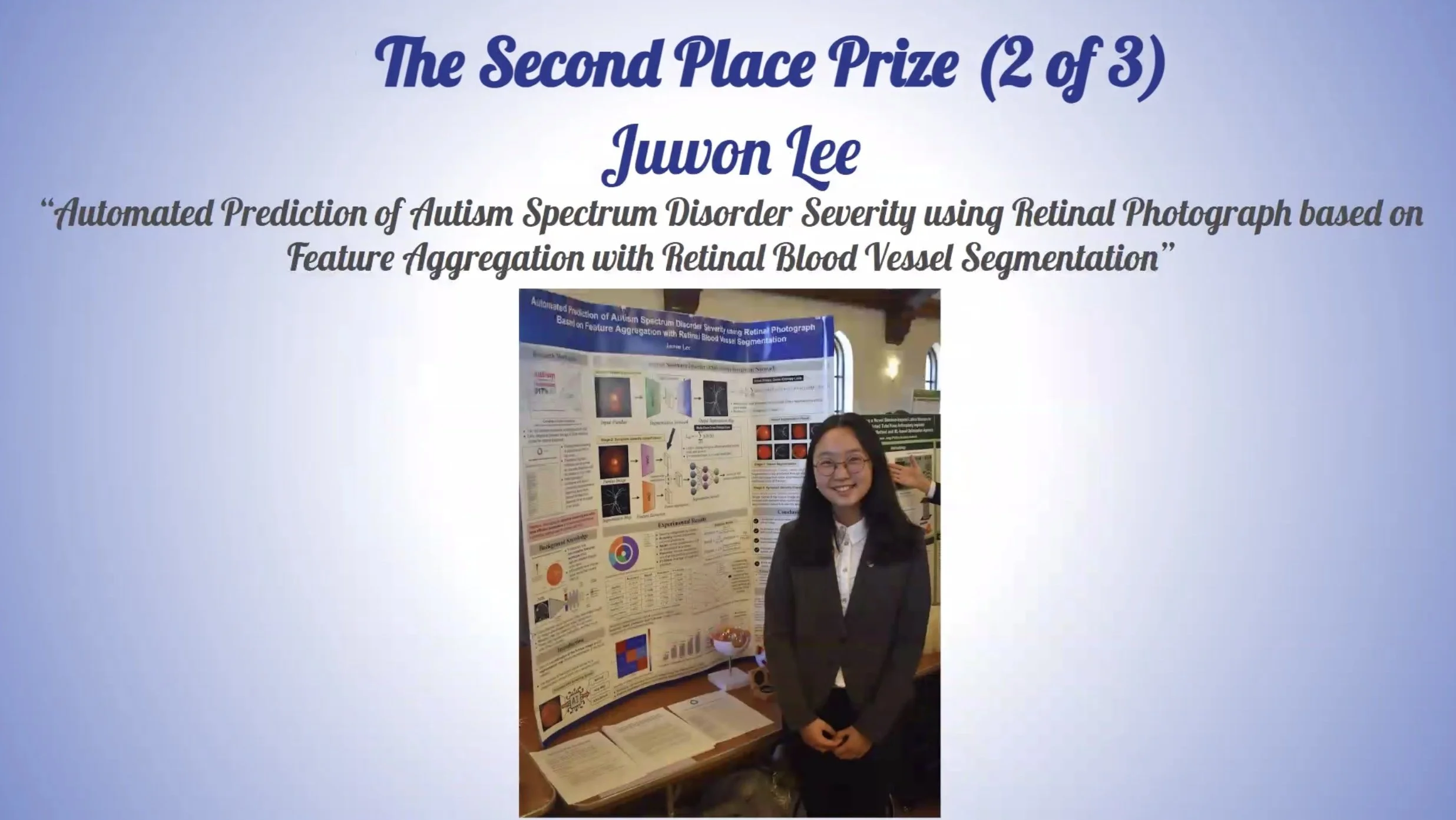
Research on Autism Detection
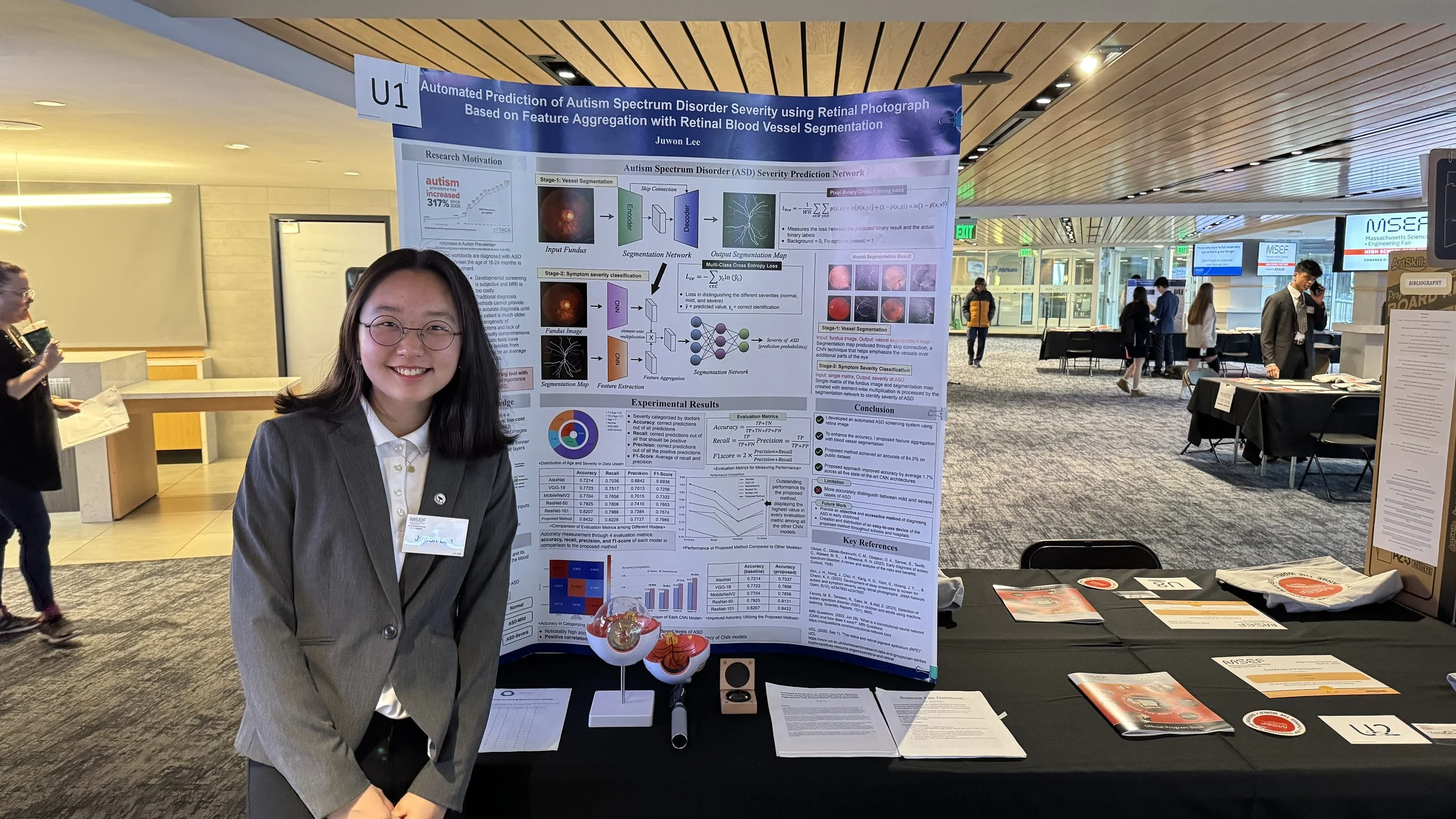
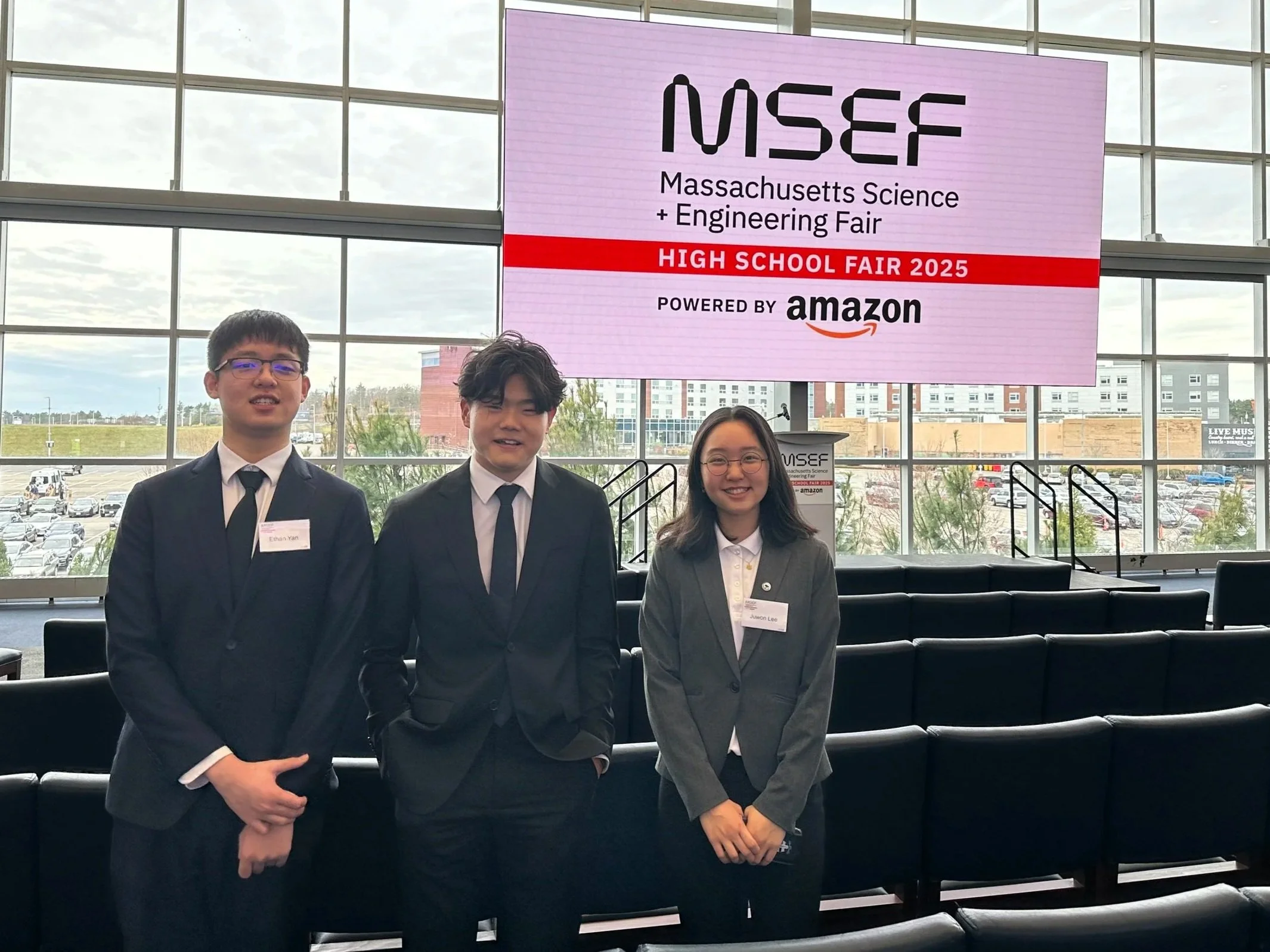
Massachusetts Science & Engineering Fair
03/2024 - 04/2025
A Clearer Vision for Early Autism Screening: How Retinal AI Bridges the Diagnostic Gap
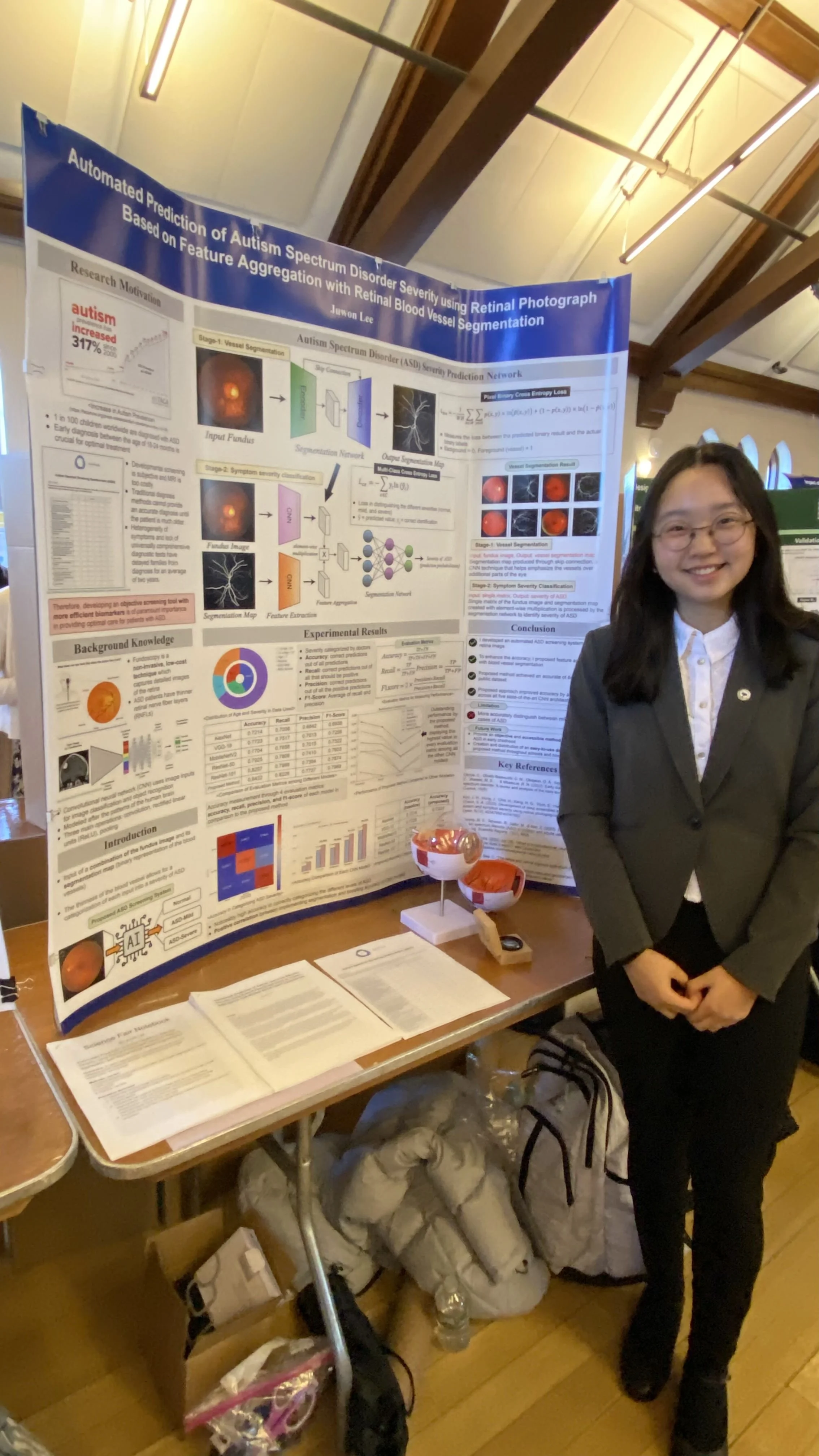
Autism Spectrum Disorder (ASD) affects 1 in 100 children worldwide, yet despite the proven benefits of early intervention between 18 and 24 months, families routinely endure an average diagnostic delay of two years. Traditional diagnostic workflows rely heavily on subjective parental questionnaires and expensive, inaccessible MRI scans that often serve merely as late-stage confirmation rather than early detection.
To address this challenge, I developed an AI-assisted screening framework utilizing retinal fundus imaging—a rapid, low-cost, and non-invasive window into the central nervous system. By integrating retinal blood vessel segmentation into a convolutional neural network (CNN), our model isolates key vascular patterns and retinal structural features to accurately predict ASD severity.
This approach aims to replace subjective delays with an accessible point-of-care tool, ensuring children receive timely interventions while neuroplasticity is highest.
The manuscript was submitted to the Journal of Student Research, High School Edition.
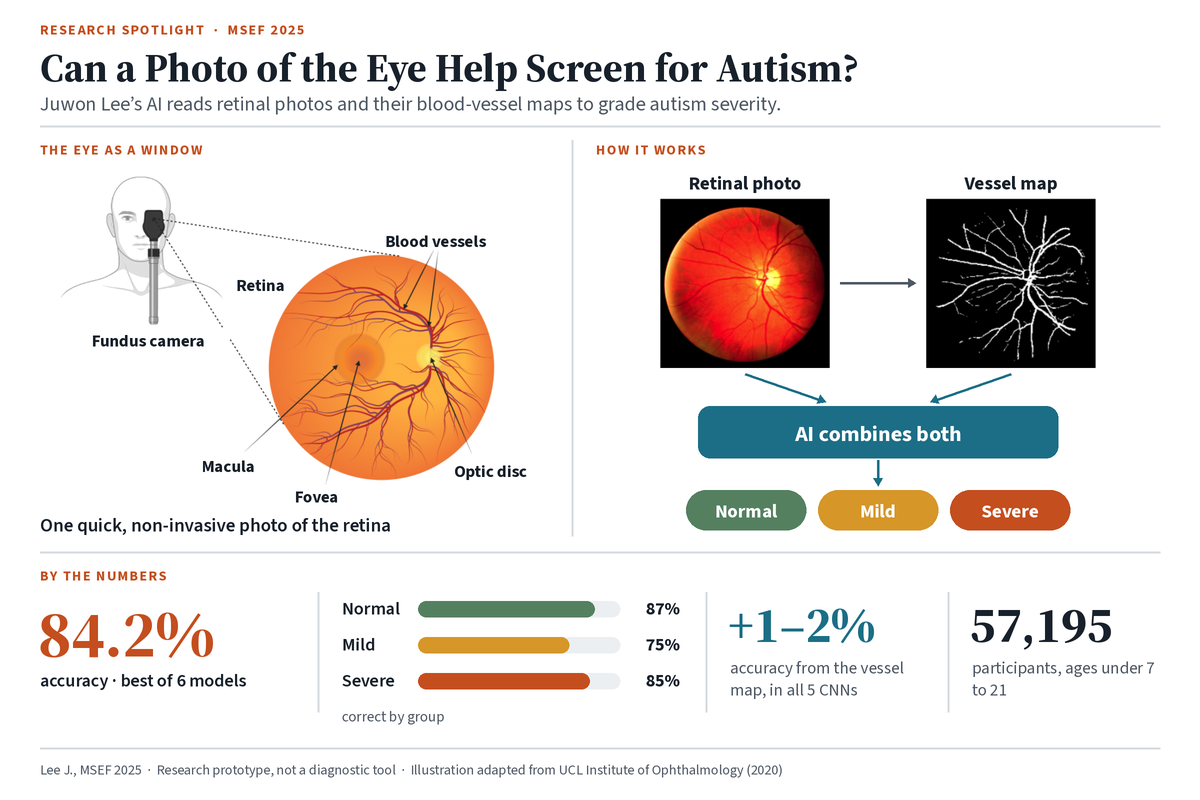
Poster Presentation
Research Paper & Notebook